
The Hunter-Central Coast Renewable Energy Zone (REZ) in New South Wales (NSW) is edging closer to reality with the recent grant of planning approval for significant network infrastructure upgrades. Reported by PV Magazine, these improvements promise to bring an additional 1 GW of network transfer capacity to the area by 2028, a bright demonstration of Australia’s sustainability efforts.
The project, to be delivered and operated by network company Ausgrid, aims to establish crucial infrastructure that will connect solar and wind farms, and energy storage, to the NSW electricity grid. With this more resilient and innovative framework, caves of renewable energy can be unleashed throughout the state, from the Upper Hunter in the north to the Central Coast in the south.
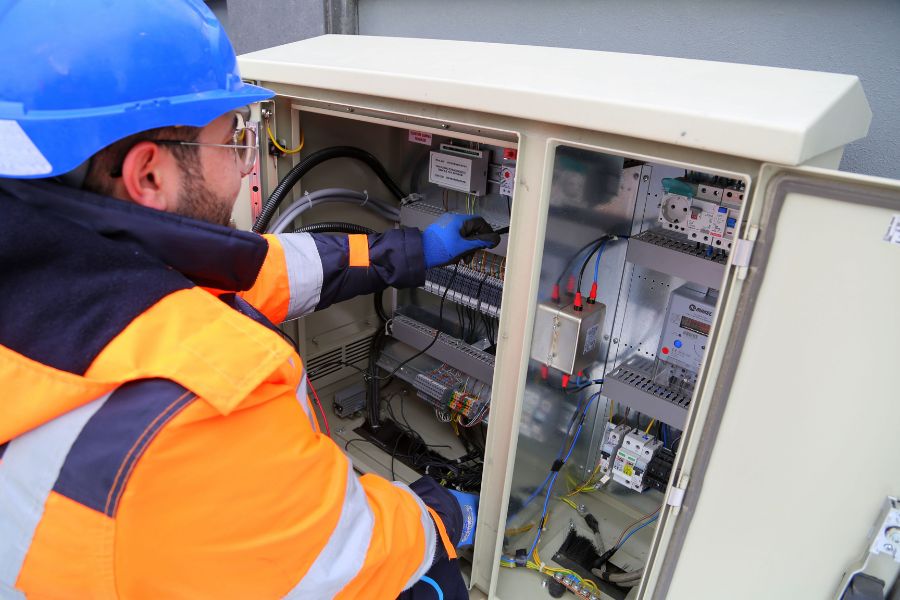
Upgrade work will mainly focus on the existing infrastructure—poles and wires—that dot the landscape. Two new substations will also be added, further strengthening the ability of the grid to handle wind and solar power capacities. According to NSW Energy Minister Penny Sharpe, this approach of enhancing existing infrastructure, instead of building new transmission lines, will lead to “faster and cheaper integration of renewables into the grid.” It also minimises disruption to local communities and maintains the environmental integrity of the region.
While this project highlights the value of careful planning, innovation, and community-centred execution, it’s but one part of a larger, more ambitious scheme. The Hunter-Central Coast REZ is one of five designated zones by the NSW government, which aim to consolidate new wind and solar power generation into spots where it can be efficiently stored and distributed across the state. Other zones have also been earmarked for Central West Orana, South-West, New England, and Illawarra regions.
These ‘zones’ are critical to the NSW Electricity Infrastructure Roadmap, the state’s blueprint for a systematic transition from coal-fired to renewables-based electricity. Crucially, such efforts display the prudence of a long-term vision, highlighting a growing commitment to sustainable energy solutions that weave directly into the fabric of communities, resulting in healthier, more resilient environments.
Australian communities will undeniably benefit from such thoughtful deployments of renewable energy infrastructure. In an era brimming with extraordinary opportunities for renewable energy so emphatically embraced by the Australian government, institutions like Ausgrid are playing pivotal roles in positioning communities for a future sourced from clean energy.
In years to come, we’ll likely look back at milestones like this as the crucial steps in our energy transformation. Harnessing the power of renewable sources is not simply about flipping a switch from ‘fossil’ to ‘renewable’. It’s a nuanced evolution involving the technical, social, and environmental aspects of our communities. By promoting advanced infrastructure, securing the environment, and fostering community resilience, projects like the Hunter-Central Coast REZ signal a brighter future for all.