
POWERING OUR COMMUNITIES
Why New Energy?
Across Australia, there is a big effort underway to make the electricity grid more reliable, and meet Australia’s growing demand for power.
New energy pathways are needed to get electricity from where it is made to the communities that need to use it. Supported by gas, this is a crucial step toward building a more reliable and affordable energy future for Australian communities.
From securing reliable power supply to supporting local businesses, these projects help strengthen our local economies and improve our daily life. We’ve gathered some common questions to explain how these pathways work and how they impact families, businesses, and your community.
Why do we need new energy transmission pathways?
Australia is building new sources of energy generation as older power plants reach the end of their lifespan. To keep up with growing energy demand, we need to connect that new energy to the homes and businesses that rely on it.
Building new energy pathways is like upgrading the highways of our energy system—ensuring that affordable, reliable energy can reach every community across the country. Without these new connections, we risk growing power bills, more power outages, and detrimental impacts to jobs and our local economy.


What will happen if we don’t build these new energy pathways?
If we don’t build new energy pathways, we’ll face serious consequences. As older power plants retire and energy demand continues to grow, the strain on the existing system will lead to growing power bills and more frequent outages. Without these new connections, both businesses and families will struggle with rising costs and unreliable power.
For businesses, growing energy bills mean higher operating costs, which often leads to increased prices for everything they sell, from groceries to your morning coffee. This drives up inflation, making everyday items more expensive for everyone. Local jobs could also be at risk as businesses cut back to manage these costs, creating a ripple effect throughout the community.
By failing to build the new energy pathways we need, we will miss the opportunity to create a reliable, affordable energy supply that supports stronger communities and stable local economies.
Let’s not leave our families, businesses, and communities in the dark.
How will new energy pathways impact my community?
New energy pathways bring several benefits to the communities that host them. First and foremost, they help deliver more reliable and affordable energy, reducing the likelihood of power outages and growing energy costs. Local businesses and households are among the first to benefit from these improvements, making daily life easier and more predictable.
These projects also create job opportunities for local residents, including training programs and career pathways for young people and those looking to develop new skills. These projects not only provide stable employment but also support local businesses such as cafes, shops, and hotels, as local workers and contractors spend in the community.
Over time, the improvements brought by new energy pathways can attract additional investment to the area and attract new workers, further boosting the local economy and ensuring that communities directly benefit from the progress being made.
Of course, any major project raises concerns about the impact on the local area. That’s why it’s important for energy companies to work closely with communities to ensure that they listen to feedback, address concerns, and minimise disruptions. Consulting with local residents and leaders is the best way to ensure that the development of new energy pathways is done in a way that benefits everyone.
Ultimately, building new energy pathways helps create stronger, more resilient communities by providing better energy security and economic opportunities, while also ensuring that local voices are heard throughout the process.
What is the role of gas in the new energy pathways?
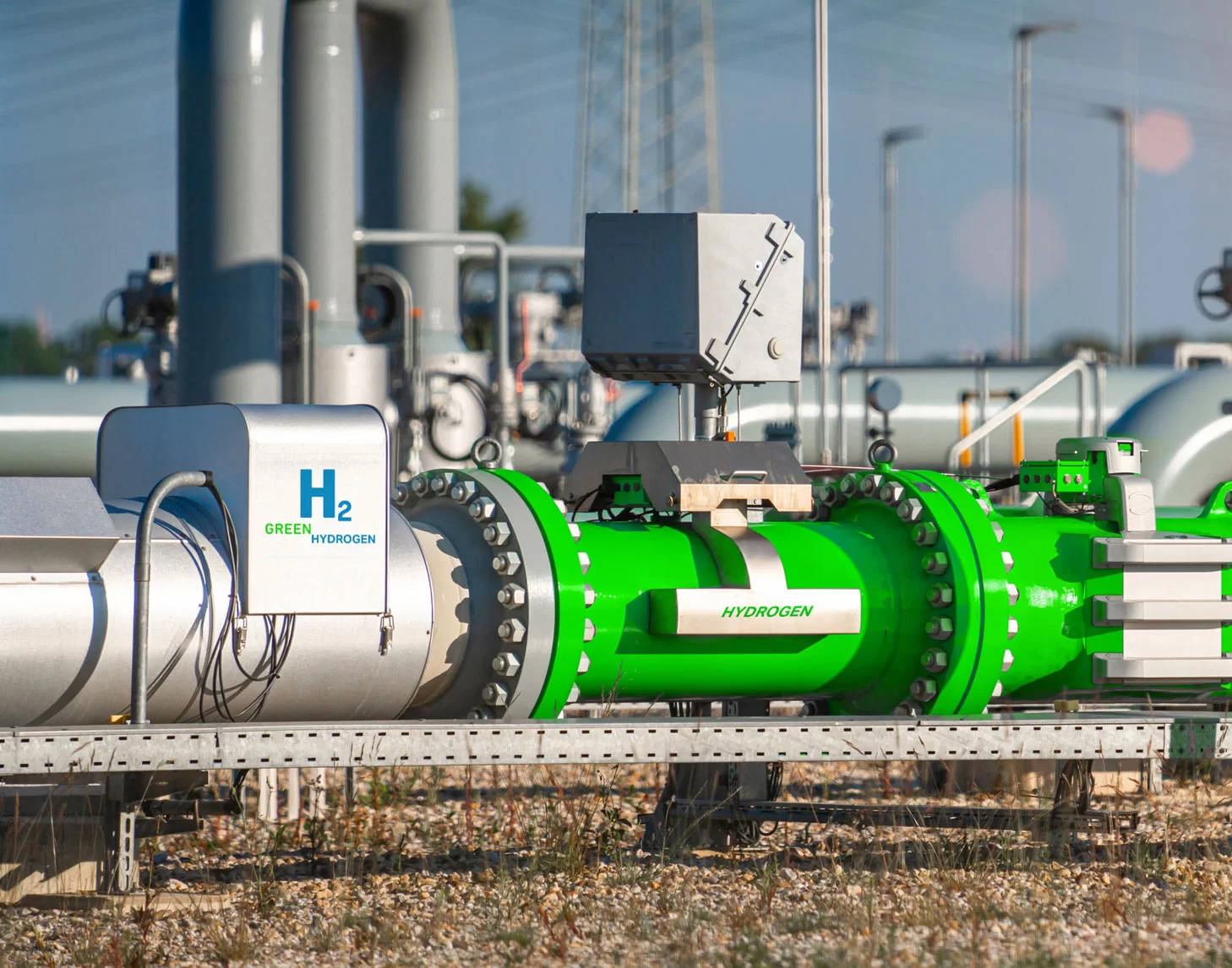
Gas plays an important backup role in Australia’s energy system, especially during winter when there’s less sun and wind. At these times, gas helps keep the lights on by stepping in quickly when renewable energy isn’t available.
Because gas can respond fast and reliably, it means we need far fewer extra power stations, batteries and storage, avoiding unnecessary overbuilding of expensive infrastructure. In practical terms, gas can cut the amount of backup energy the system needs by nearly half to three‑quarters, helping keep energy costs down.
Having enough gas supply in southern Australia specifically also reduces the need to rely on diesel generators, which are more expensive, less efficient and worse for emissions. By supporting reliability and flexibility, gas helps make the whole energy system more resilient — and that flows through to lower wholesale electricity prices for households and businesses.

How will this help with my energy bills?
Building new energy pathways will lower energy costs by improving the way energy reaches your home. When the system is strained and can’t keep up with demand, power becomes more expensive. You’ve probably felt this yourself, whether it’s choosing to turn off the air conditioning on a scorching summer day or holding back on the heater during cold nights—simply to avoid growing energy bills.
These new energy pathways will connect the latest sources of energy that are cheaper to produce and mean the supply of energy will be more reliable and efficient, which, over time, will help prevent ballooning energy costs for families. Instead of worrying about how much you’ll need to cut back, you’ll have more control and predictability over your energy bills.
By helping to stabilise the grid, these pathways also reduce the risk of outages. This means fewer disruptions and less uncertainty that using necessary appliances or heating your home will cause blackouts.
Ultimately, this is about making sure energy is more affordable and reliable, so families can keep the lights on and enjoy the comforts of home, with peace of mind about their bills.
How will this help Australian small businesses?
New energy pathways will make energy more reliable and affordable, which is critical for small businesses that rely on steady power to keep running.
For many businesses, rising energy bills can force tough decisions, like cutting back on hours or reducing production to save money. Some restaurants have to think about closing earlier during peak hours to avoid expensive power costs. Local manufacturers, like metal fabricators, sometimes shift their working hours or slow down production to avoid higher electricity prices.
These disruptions don’t just impact a business’s bottom line—they affect the people who rely on these businesses, from staff to customers. New energy pathways will make power more consistent and affordable, so businesses can stay open and run smoothly without the constant worry of power cuts or spiking bills.
By helping lower energy costs, these pathways let small businesses keep their prices fair, keep staff on the job, and focus on growth—all of which help local communities thrive.

How do new energy pathways help prevent blackouts?
New energy pathways are designed to make our energy supply more reliable. When too many people use energy at the same time—like on a hot summer day when everyone has their air conditioning running—the current system can struggle to keep up, which increases the risk of power outages.
By creating new pathways to deliver more energy, we’re spreading out the load. This means more energy can flow to homes and businesses without overloading the system. It’s like adding extra lanes to a busy highway—more traffic can move smoothly, and there’s less chance of a bottleneck.
With a stronger, more flexible energy grid, there’s less risk of blackouts when demand spikes, and communities won’t have to worry about losing power when they need it most. These new pathways help ensure that your lights stay on and your appliances keep running, even during peak demand times.
What opportunities are there for local jobs?
New energy pathways will make energy more reliable and affordable, which is critical for small businesses that rely on steady power to keep running.
For many businesses, rising energy bills can force tough decisions, like cutting back on hours or reducing production to save money. Some restaurants have to think about closing earlier during peak hours to avoid expensive power costs. Local manufacturers, like metal fabricators, sometimes shift their working hours or slow down production to avoid higher electricity prices.
These disruptions don’t just impact a business’s bottom line—they affect the people who rely on these businesses, from staff to customers. New energy pathways will make power more consistent and affordable, so businesses can stay open and run smoothly without the constant worry of power cuts or spiking bills.
By helping lower energy costs, these pathways let small businesses keep their prices fair, keep staff on the job, and focus on growth—all of which help local communities thrive.


How will this help protect the environment?
New energy pathways help support the use of cleaner, renewable energy sources, and the more efficient delivery of energy, which reduces pollution and protects the land, air, and water in local communities. This also benefits agriculture by creating more stable weather patterns and reducing the risk of extreme events, like bushfires and extreme weather, that harm both people, wildlife and the environment.
If we fail to build and connect these new energy pathways, the impacts on wildlife and the environment will be severe. These energy projects are necessary to ensure not just a stable electricity supply, but also a stable environment into the future and for our biodiversity, and our Australian flora and fauna to be able to survive the changes to our climate.
These projects are also carefully managed to minimise their impact on local ecosystems. Routes are planned to reduce disruption to wildlife, and during construction, strict guidelines are followed to protect the land and biodiversity. By using responsible methods, we ensure these projects leave a small footprint while supporting a cleaner, healthier environment for everyone.
What support is available for people in areas involved in energy pathways development?
Energy companies who are involved in the creation of these new energy pathways offer a range of support to people impacted by the activities. Get in touch with the provider in your local area to find out what support may be available for you and your community: