
Across Australia, a significant effort is underway to make the electricity grid more reliable and meet growing demand. Connecting new energy sources to homes and businesses is a crucial step toward building a more affordable and secure energy future. New energy pathways, including wind, solar, and advanced transmission networks, are essential to ensure a consistent power supply that provides relief to families and helps local businesses thrive.
A common question from residents concerns the environmental impact of these new energy developments. All renewable projects must pass through comprehensive local, state, and federal environmental assessment processes before construction begins. By carefully selecting sites, often on land that has already been cleared or has low biodiversity value, these projects minimise impacts on the natural landscapes that communities value.
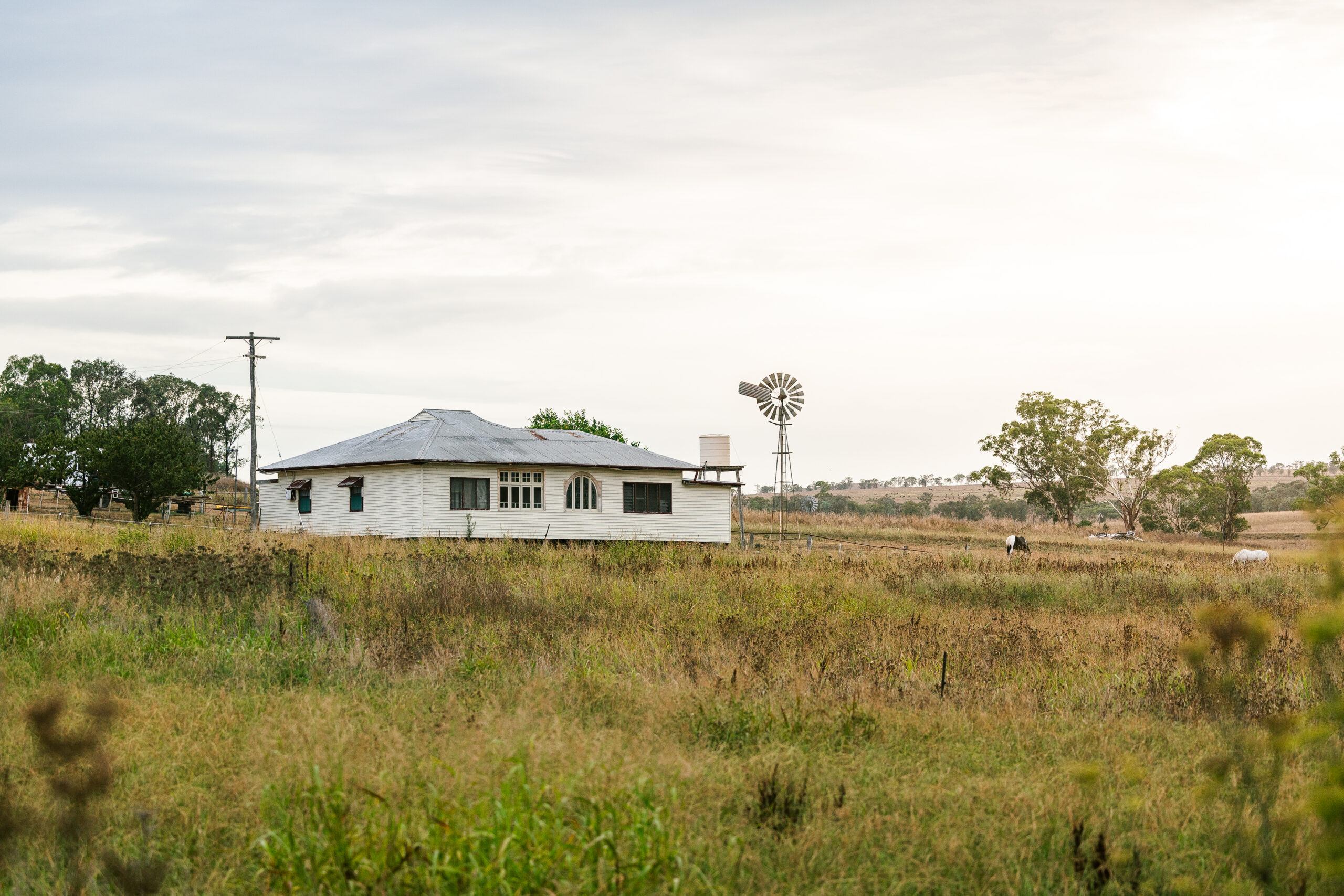
Renewable infrastructure is frequently designed to coexist with and support traditional industries, particularly agriculture. For example, the New England Solar Farm in New South Wales successfully integrates sheep grazing alongside energy generation. The solar panels provide essential shade for livestock during intense heat and protect them from winter frosts, while also helping the soil retain moisture to encourage pasture growth. This dual land use helps strengthen local agricultural economies while generating power.
In regional areas, projects are implementing innovative strategies to protect local wildlife and habitats. At the Dundonnell Wind Farm in Victoria, funding is directed to specialists who restore and maintain wetlands, supporting native bird populations like the brolga. Similarly, facilities in Tasmania utilise advanced camera technology to detect and protect wedgetailed eagles. These measures ensure that the development of necessary energy infrastructure respects and preserves regional ecosystems.
To keep the lights on around the clock, communities require safe energy storage and robust transmission lines. Large-scale battery facilities are developed in close consultation with local fire authorities and adhere to strict safety regulations to ensure community security. Simultaneously, new transmission networks are carefully planned to transport electricity from where it is generated directly to the regions that need it, acting as the vital link that keeps local economies moving.
The long-term lifecycle of renewable projects is carefully managed to protect local land interests. When energy infrastructure reaches the end of its operational life, strict state and territory requirements mandate that the equipment is either refurbished or completely decommissioned. In the case of decommissioning, the infrastructure is removed, and the land is fully rehabilitated. With over 90 per cent of components like wind turbines and solar panels being recyclable, the land can be returned to its previous condition, ensuring it remains a valuable asset for future generations.