
The latest data from the Clean Energy Council (CEC) reveals a significant milestone in Australia’s journey toward a more reliable and modernised power grid. In the final quarter of 2025, the nation saw a record-breaking surge in new energy projects, with 2.1 gigawatts (GW) of renewable electricity capacity added to the network. This momentum highlights the collective effort currently underway to ensure that Australian homes and businesses have access to the sustainable power needed to grow and prosper for generations to come.
A crucial component of this transition is the rapid expansion of energy storage. High-capacity batteries are essential for keeping the lights on and providing relief to families by stabilising the grid during periods of high demand. In 2025 alone, battery installations outpaced the combined figures of the previous eight years. These “big batteries” act as a vital safety net, storing energy from wind and solar sources so it can be deployed whenever it is most needed, ensuring the doors of our local businesses stay open regardless of the time of day.
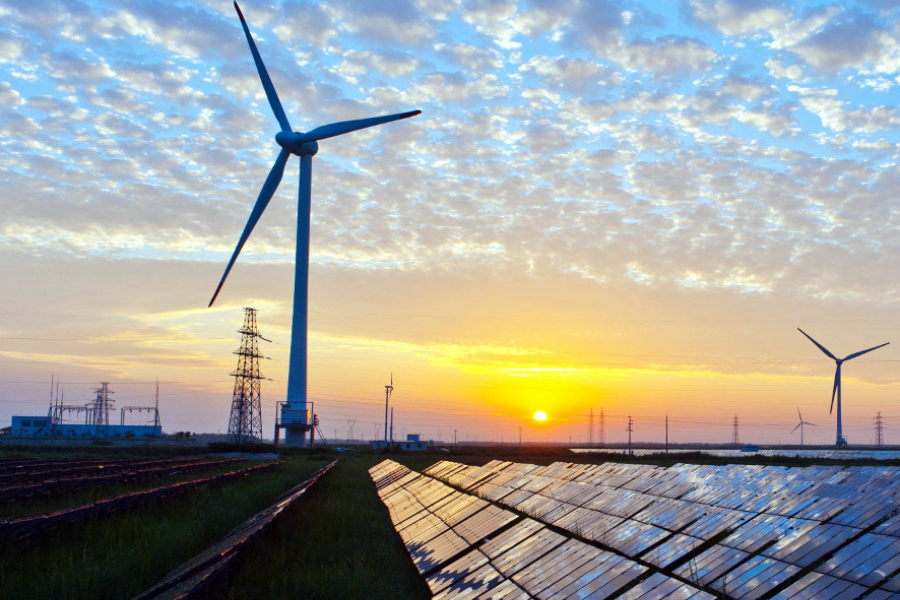
The impact of these projects on the National Electricity Market (NEM) is already being felt across the country. During the final months of 2025, renewable energy supplied over half of all electricity in the NEM for the first time. Even more impressively, during extreme heatwaves in January, these new energy sources met up to 77 per cent of peak demand. This performance demonstrates that as older coal-fired generators retire, new energy pathways are successfully stepping in to provide a dependable and affordable foundation for our daily lives.
Investment in these technologies also serves as a powerful engine for local economies. By the end of 2025, there were 143 wind, solar, and battery projects underway across Australia, representing approximately $38 billion in capital spending. From New South Wales to Western Australia, these developments create jobs and strengthen regional communities. By building the infrastructure required to move electricity from where it is generated to the communities that use it, Australia is securing a more prosperous economic future.
While the progress is encouraging, the focus now shifts to the essential role of transmission. To fully realise the benefits of these 81 generation projects currently under construction, the industry is working closely with government to streamline planning and network access. Robust energy pathways are the final piece of the puzzle, allowing clean, reliable power to flow seamlessly into the heart of our townships. Efficiently connecting these new sources to our existing infrastructure remains a top priority for maintaining a resilient energy system.
As we move through 2026, the scale of commissioning seen in recent months provides a clear roadmap for the path forward. With one in three households now hosting rooftop solar and large-scale projects reaching financial milestones at an unprecedented rate, the commitment to a modern grid is stronger than ever. These advancements ensure that every community can continue to thrive, backed by an energy network that is built for the demands of the 21st century.