
Across Australia, a significant effort is underway to make the electricity grid more reliable and meet growing demands for power. In Tasmania, the North-West Transmission Developments (NWTD) project marks a crucial step in this journey, with recent state approvals advancing the construction and upgrade of 240 kilometres of transmission lines. These new energy pathways are essential to get electricity from where it is generated to the communities that need to use it, ensuring that families and businesses have the power needed to grow and prosper for generations to come.

Connecting new energy sources to homes and businesses is vital for keeping the lights on and the doors open. The NWTD project is designed to help secure the lowest possible future electricity prices for residents. By facilitating access to affordable and reliable energy, this infrastructure upgrade aims to provide financial relief to families while delivering the stability required to help local businesses thrive in a modern economy.
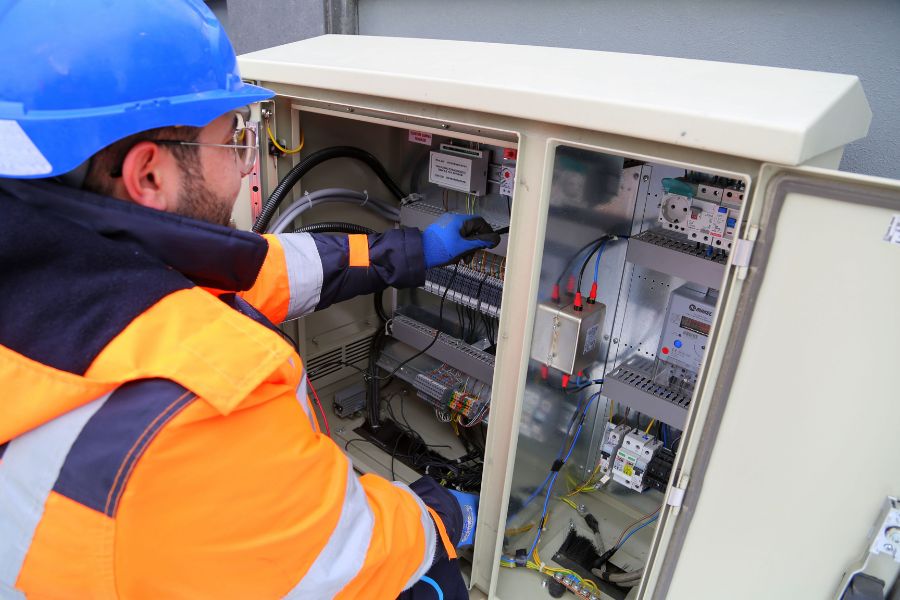
Beyond delivering reliable power, the project is set to strengthen local economies by creating new employment opportunities. The development supports clean energy careers within the region, offering long-term economic benefits to Tasmanian communities. With the head contractor having mobilised to the site late last year, the ongoing progress of the NWTD represents a tangible investment in regional growth and workforce development.
Careful planning and objective assessments are central to ensuring these projects integrate well with local environments. The recent permit from the Tasmanian Planning Commission confirms that the NWTD complies with stringent state laws. The approval process ensures that biosecurity risks, local vegetation, waterways, and threatened species are adequately managed. Furthermore, the permit guarantees that the project follows sound engineering principles while maintaining acceptable visual impacts for surrounding communities.
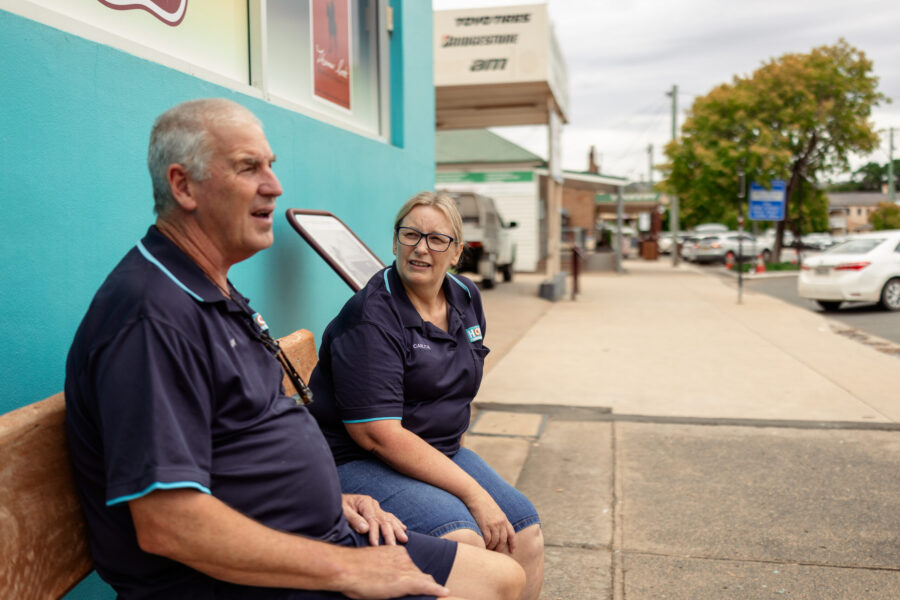
Successful energy infrastructure relies heavily on collaboration with local residents and landholders. The project has already achieved voluntary access to more than 96 per cent of the necessary private land, demonstrating a commitment to respectful community engagement. As the development moves toward federal environmental assessments expected in April 2026, it continues to highlight how cooperative planning and new energy pathways can build a more secure, reliable, and affordable energy future for local communities.