
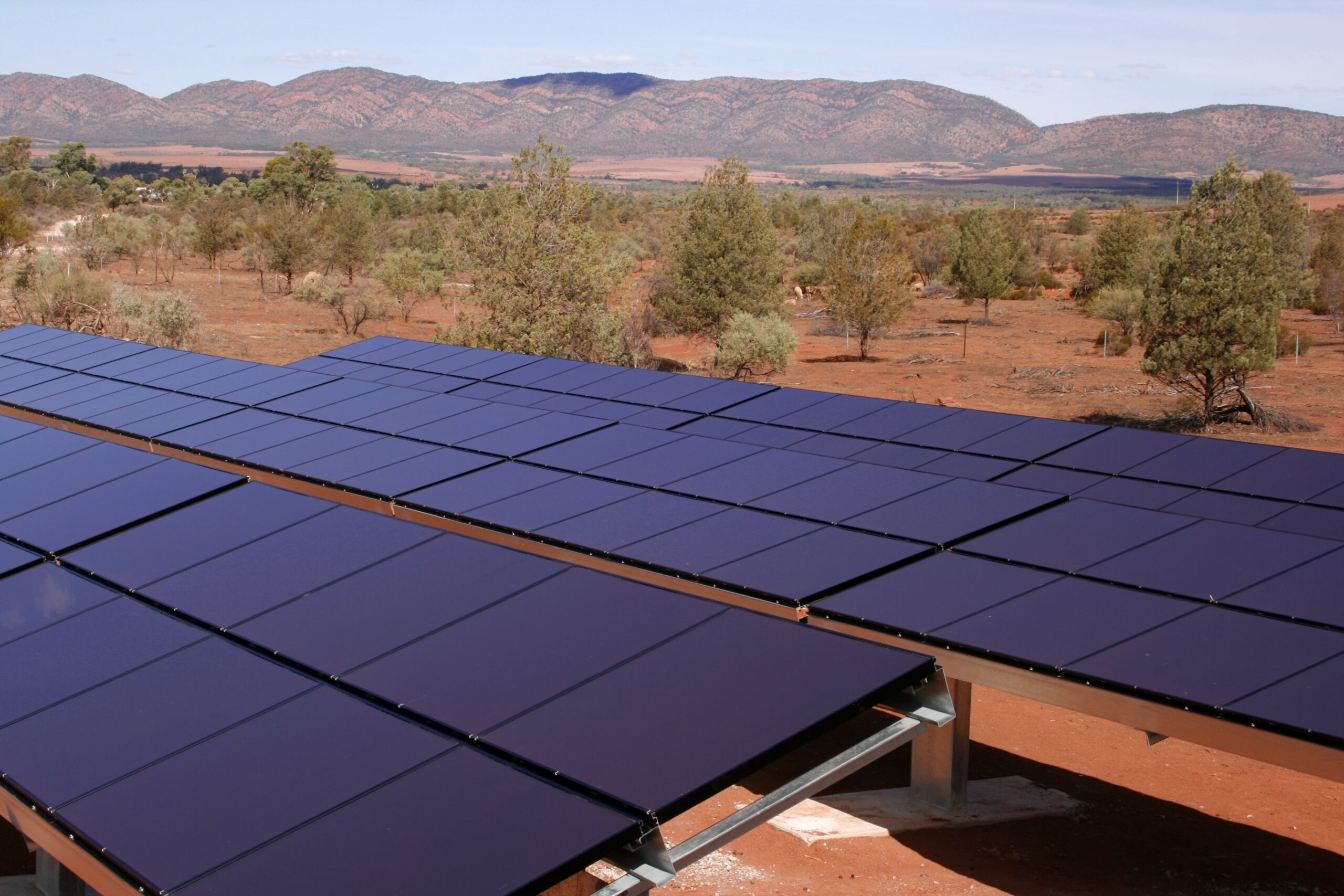
Across Australia, a significant effort is underway to make the electricity grid more reliable and meet the nation’s growing demand for power. In Western Australia’s Pilbara region, a major milestone has been reached with the commencement of construction on the 440-megawatt Solomon Airport solar farm. Once completed, this site will become the largest solar development in Western Australia. Large-scale renewable developments like this are a crucial step toward building a more reliable and affordable energy future for Australian communities, ensuring a steady supply of power to regional hubs.
Slated for completion in 2028, the Solomon Airport project will involve the installation of approximately 671,000 solar panels. Infrastructure developments of this scale are essential because every community deserves the power needed to grow and prosper now and for generations to come. By harnessing the region’s abundant sunlight, this infrastructure will contribute significantly to replacing traditional diesel and gas dependencies with robust, renewable energy alternatives, which helps strengthen local economies over the long term.
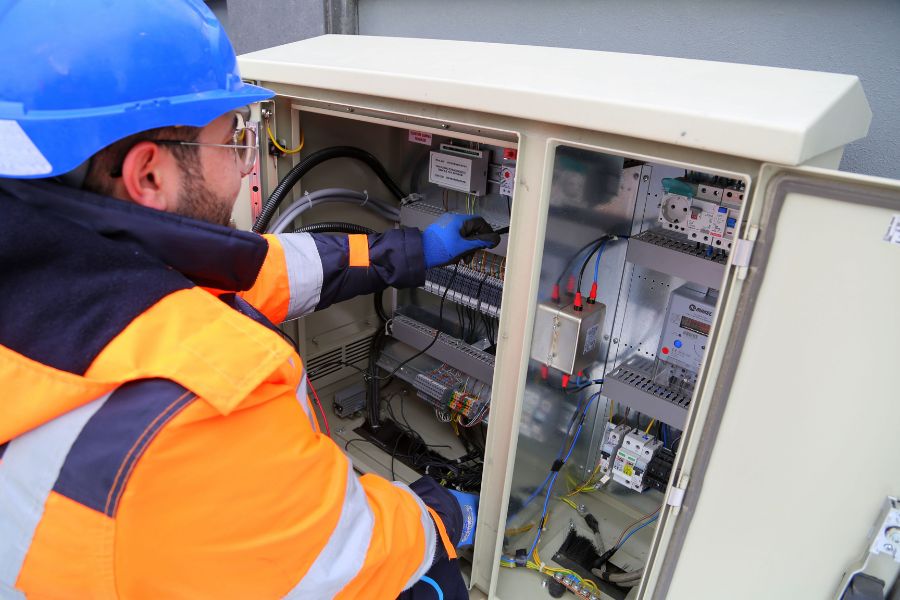
Generating energy is only part of the equation; new energy pathways are needed to get electricity from where it is made to the communities and operations that need to use it. To facilitate this, extensive high-voltage transmission networks are being rolled out across the region. More than 480 kilometres of transmission lines have already been constructed across the Pilbara, with the network set to extend to over 620 kilometres. These vital connections physically link new energy assets to the wider network, ensuring that newly generated power can be effectively and reliably distributed to the places that depend on it most.
The Solomon Airport facility is part of a much broader expansion of new energy sources designed to keep the lights on and the doors open. Alongside the existing 100-megawatt North Star Junction solar farm, the nearly completed 190-megawatt Cloudbreak project, and the upcoming 644-megawatt Turner River development, the region will soon benefit from around 1.3 gigawatts of solar capacity. Together, these projects generate enough electricity to be equivalent to powering around half a million Australian homes each year. Furthermore, the addition of the 133-megawatt Nullagine Wind Farm will diversify the energy mix, backing the solar output to provide a firm, 24/7 power supply.
Integrating these new energy sources into daily life is foundational to supporting local businesses and providing relief to families. As technologies improve and larger-scale projects are delivered more efficiently, the transition to renewable infrastructure becomes increasingly cost-effective, improving the economics of energy generation. Ultimately, by continually connecting new energy sources to homes and businesses, Australian communities are empowered with the affordable and reliable energy required to thrive well into the future.