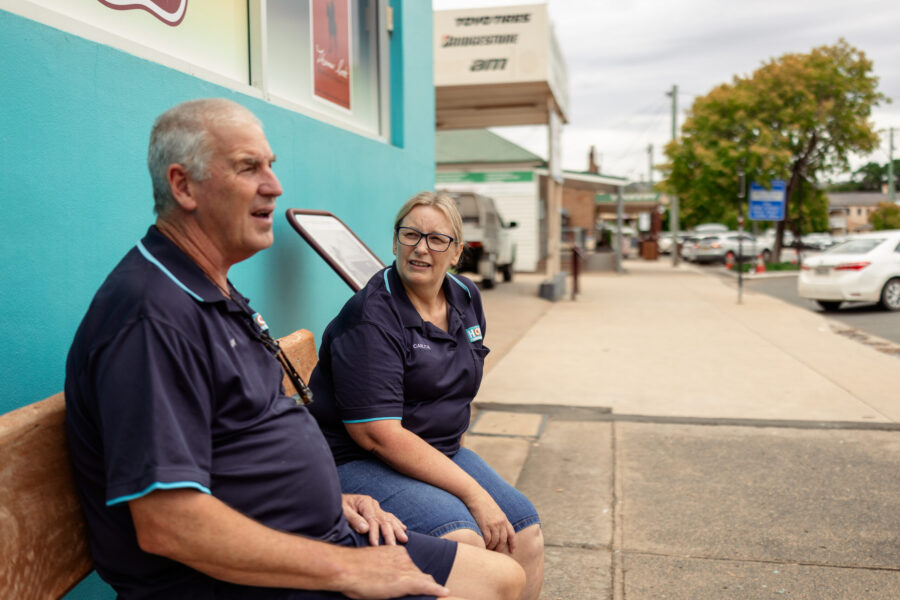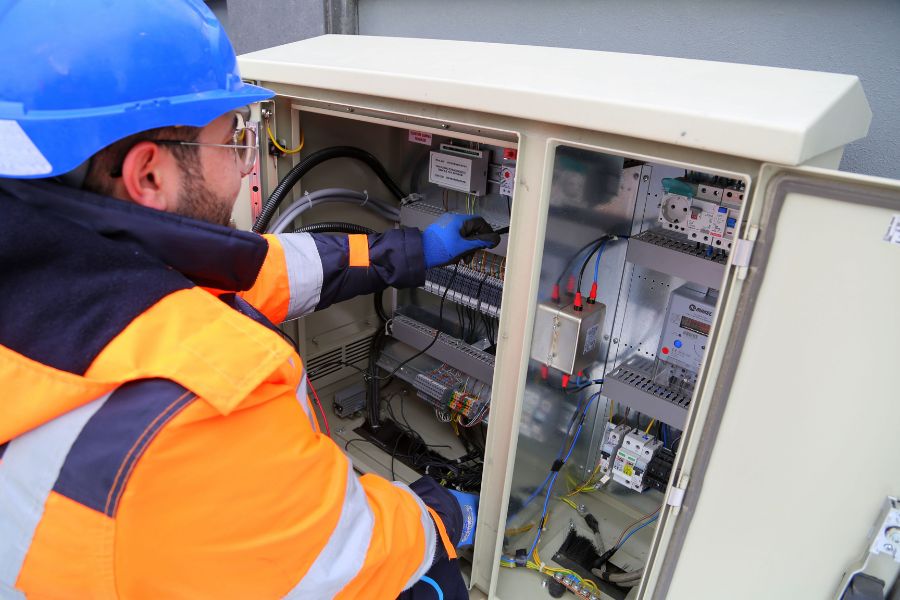

Australia is currently navigating a period of record-high electricity demand, yet recent data reveals an encouraging paradox: even as our power needs surge, our reliance on fossil fuels is steadily declining. Despite the immense pressure placed on the national grid by extreme weather and the digital demands of modern life, the energy mix is fundamentally shifting. This progress is being propelled by the rapid rollout of renewable energy alongside a significant increase in both utility-scale and household battery storage, ensuring communities retain access to a dependable power supply.
The mechanics behind this transition involve the strategic creation of new energy pathways that link homes and businesses directly to these cleaner sources. By diversifying the grid with a combination of wind, solar, and advanced storage, the entire network becomes inherently more resilient. This evolution is vital for maintaining daily business operations and keeping local economies moving. Furthermore, as these modern energy projects scale up, they act as a buffer against wholesale price volatility, ultimately offering financial relief to Australian households.
At its core, the current effort to modernise the electricity grid is about bridging the geographical gap between where clean energy is captured and where it is consumed. Reliable infrastructure serves as the backbone of economic stability. Transitioning to an integrated, renewable-focused network represents a critical step toward a future where electricity is not only sustainable but also commercially viable and affordable.
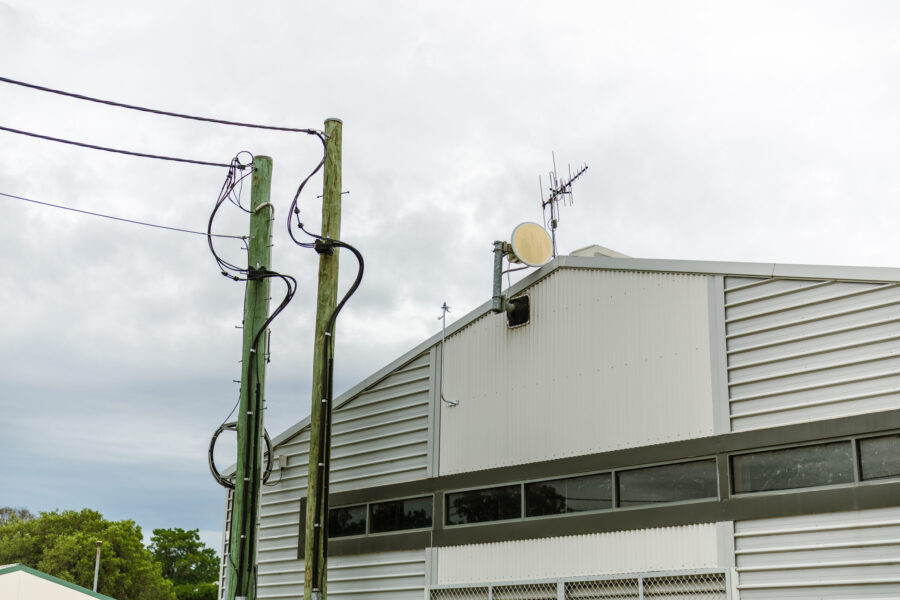
The practical benefits of this shift are most visible at the local level. Whether it is securing uninterrupted power for regional hospitals or ensuring small businesses can operate without the threat of blackouts, moving away from legacy, fossil-fuel-dependent systems tangibly improves daily life. Investing in these new transmission pathways today establishes a stable foundation that allows communities to plan for the future with confidence.
Looking ahead, the continued expansion of battery storage and renewable technologies will remain central to Australia’s economic narrative. These advancements are no longer just about meeting environmental benchmarks; they are practical, market-driven solutions that strengthen national energy security. By prioritising a community-first approach, this transition ensures that both metropolitan and regional areas can look forward to a more stable, self-sufficient energy future.