
Every community deserves the power needed to grow and prosper, both now and for generations to come. As Australia’s energy landscape evolves, prominent national bodies including the CSIRO and the Australian Energy Market Operator (AEMO) have identified that renewable energy, supported by storage technologies like batteries and pumped hydro, represents the most cost-effective way to power homes and businesses. By connecting these new energy sources to our local networks, Australia can maintain a reliable supply while transitioning away from older infrastructure.
Currently, nearly 45% of Australia’s electricity is generated from solar, wind, hydro, and battery storage. This shift is becoming increasingly important as the nation’s ageing coal-fired power stations face more frequent breakdowns and reduced operating capacities. Data indicates that these outages have been a primary driver of supply warnings and price spikes in recent years. Moving toward a modernised grid ensures that the “lights stay on and the doors open” for local businesses and families by replacing unpredictable generators with more stable, lower-cost alternatives.

The economic benefits of this transition are significant for the average household. Analysis suggests that continuing a heavy reliance on ageing coal and gas infrastructure could lead to power bill increases of up to $606 a year for households and over $1,100 for small businesses within this decade. In contrast, the wholesale price of renewable power is substantially lower than that of fossil fuels, largely because wind and sun are free, infinite resources that are not subject to the volatility of international fuel markets.
Building the necessary “energy pathways” or transmission lines is a crucial step toward securing this affordable future. While new infrastructure requires initial investment, these projects are projected to deliver net savings of $24 billion to consumers by 2050 by unlocking access to cheaper generation. Additionally, the strategic use of grid-scale batteries—which saw a 20% cost reduction in the 2024-25 period alone—can act as “virtual transmission,” reducing the total amount of new physical infrastructure required while boosting overall grid reliability.
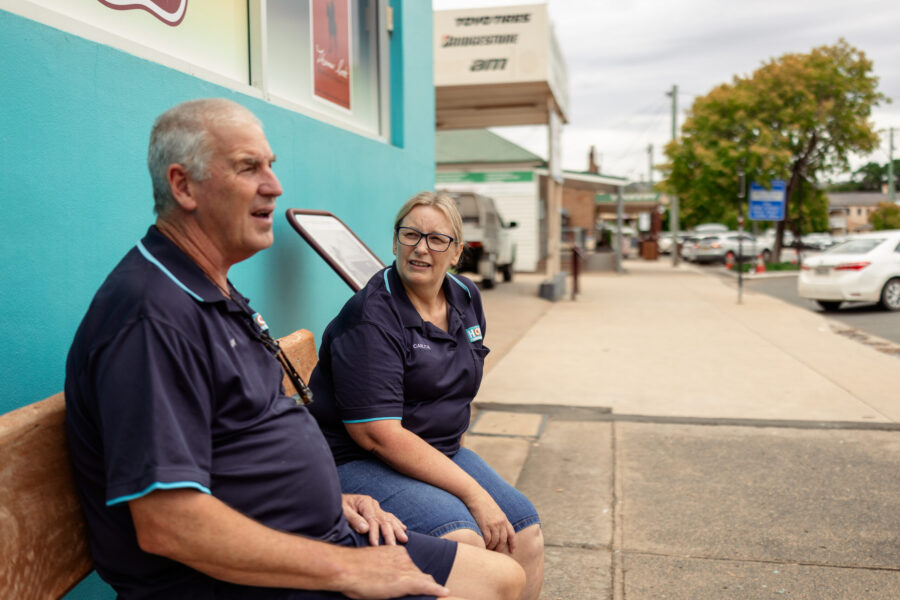
Beyond lower bills, these energy projects strengthen local economies and improve daily life across regional Australia. The renewable sector is expected to inject $68 billion into the Australian economy over the next five years, providing over $1.3 billion directly to farmers and regional communities through landholder payments and community benefit funds. This growth supports tens of thousands of local jobs and provides essential funding for schools, sports clubs, and community groups, ensuring the benefits of new energy are shared by all.
Investing in a reliable, renewable-backed grid is more than just a technical upgrade; it is a commitment to the long-term prosperity of our communities. By embracing these new energy pathways, Australia can secure a future defined by energy independence, price stability, and a thriving local economy.