
The recent performance of Australia’s electricity grid during record-breaking heatwaves has demonstrated a significant shift in our nation’s energy landscape. While extreme temperatures once posed a severe threat to the stability of our power supply, the system is now showing newfound resilience. This progress is largely driven by the strategic integration of diverse energy sources and the strengthening of our transmission networks, ensuring that every community has the power needed to grow and prosper.
A key factor in this increased reliability is the falling cost of wholesale electricity, which saw a reduction of over 40% compared to the previous year. This downward trend is a direct result of a more efficient energy mix that relies less on expensive gas peaking plants. By connecting new, cost-effective energy sources to homes and businesses, the path forward is becoming clearer: affordable and reliable energy is within reach, providing much-needed relief to Australian families and helping local businesses thrive.
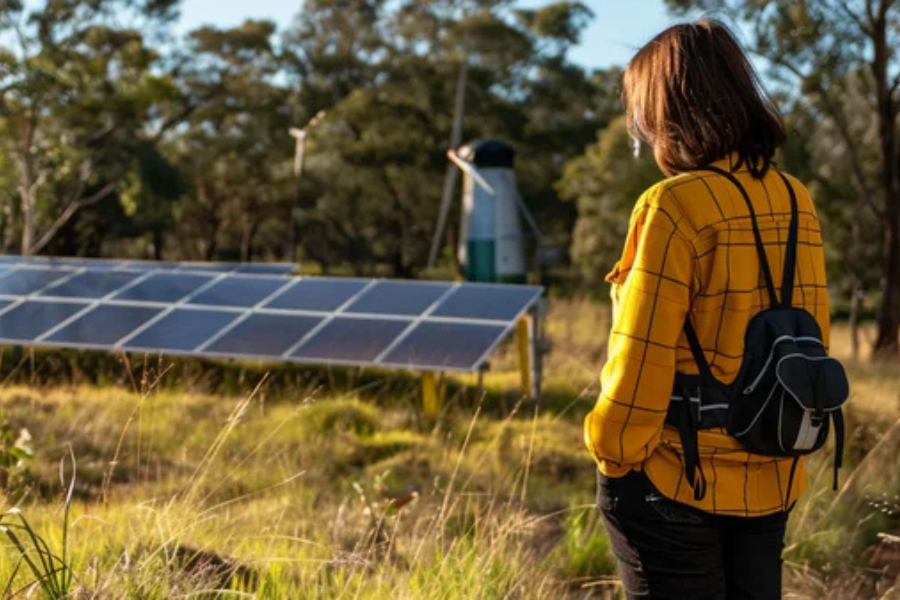
The role of energy storage has also moved to the forefront of this transition. Grid-scale batteries are no longer just stabilizing the frequency of the network; they are now actively powering it. These “reservoirs” of electricity soak up surplus energy when production is high and release it during evening peaks when demand is greatest. This capability, supported by a surge in both grid-scale and community-level battery installations, acts as a lifeline for local economies, keeping the lights on and the doors open even during periods of high strain.
However, to maintain this momentum and meet Australia’s growing demand for power, the focus must remain on infrastructure. New energy pathways—specifically high-capacity transmission lines—are the crucial step required to get electricity from where it is generated to the communities that need to use it. Projects like EnergyConnect are essential for modernising the grid, and while these large-scale builds involve complex logistics, they are the backbone of a secure and strengthened local economy.
While some ageing coal and gas facilities continue to provide a necessary backstop during this transition, the long-term goal is a grid that is both cleaner and more robust. The shift away from older, less reliable plants toward a diversified network of wind, solar, and storage requires a coordinated national effort. By addressing transmission delays and investing in new infrastructure now, Australia is securing a more dependable energy future for generations to come.
Ultimately, the progress made over the last quarter proves that the transition is working. The grid is successfully accommodating a more complex mix of energy than many previously thought possible. By continuing to prioritise community-first energy solutions and the pathways that connect them, we can ensure that all Australians benefit from a modern, reliable, and affordable power system.