
Australia’s energy transition has reached a significant turning point, with renewable sources supplying more than half of the nation’s electricity for the first time over a full quarter. According to the latest Quarterly Energy Dynamics report from the Australian Energy Market Operator (AEMO), wind, solar, and storage technologies accounted for a record-breaking share of the National Electricity Market (NEM). This achievement demonstrates the progress being made in connecting new energy sources to homes and businesses, ensuring that every community has access to the power needed to grow and prosper.
The shift toward a more diverse energy mix is providing direct economic relief to families and helping local businesses thrive. As the supply of renewable energy increased, wholesale electricity prices across the NEM fell to an average of $50/MWh—a substantial 44% reduction compared to the same period in 2024. By reducing reliance on higher-cost traditional generation, these new energy pathways are successfully placing sustained downward pressure on prices, making affordable energy a more reachable reality for Australian households.
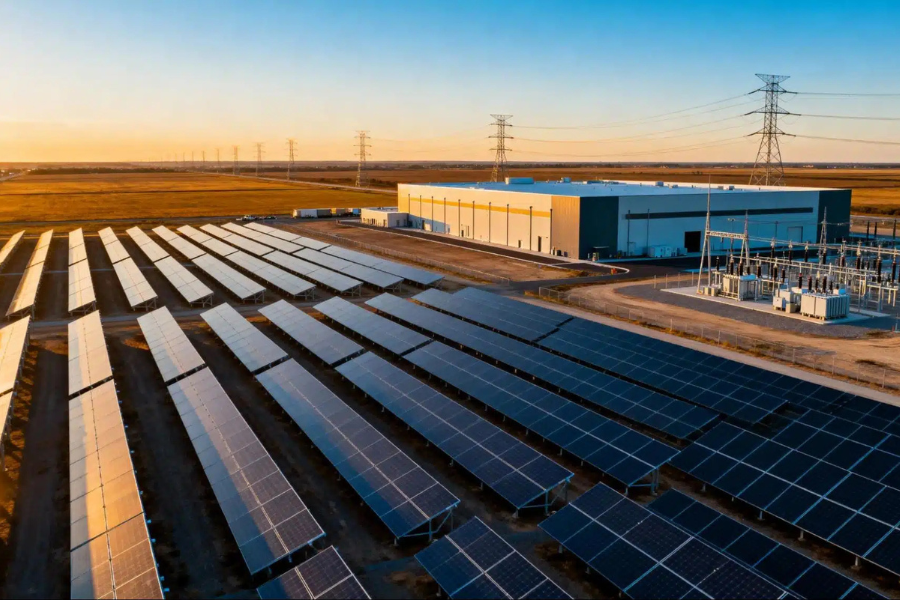
This increased capacity, supported by nearly 3,800MW of new battery storage added since late 2024, ensures that the grid remains stable even as older coal plants begin to retire. These advancements provide the “peace of mind” necessary for industry and consumers alike, ensuring that the transition is managed smoothly while keeping the lights on.
Local contributions played a vital role in this milestone, with rooftop solar reaching an all-time quarterly high. By generating power directly on the roofs of homes and businesses, Australian communities are actively contributing to the nation’s energy security. This surge in local generation has helped reduce daytime operational demand on the grid, allowing large-scale batteries to charge and store energy for when it is needed most, further strengthening the reliability of the entire system.
The momentum is being felt across the entire continent, from the East Coast to Western Australia. In the West, renewable and storage generation also supplied a record 52.4% of the state’s energy needs, with renewable output peaking at over 91% at certain points during the quarter. This national trend underscores the importance of building robust energy pathways that can transport electricity from where it is generated—whether from a wind farm in a regional area or a solar array in the desert—to the communities where it is consumed.
As Australia moves forward, the focus remains on building a more reliable and affordable energy future. The success of this quarter proves that the path toward cleaner energy is also the path toward economic stability. By continuing to invest in and connect these new energy sources, the nation is securing the power needed to support daily life and strengthen regional economies for generations to come.